Is IV Sedation Safe for Oral Surgery? An Atlanta Surgeon Explains
If the thought of being sedated worries you more than the surgery itself, you're in good company. In Atlanta, IV sedation for oral surgery is given by trained surgeons every day, and for healthy patients it's a well-established way to get through a procedure calmly. Whether it's right for you depends on your health, your procedure and a careful review beforehand, and that review is where Dr. Jennifer Okhiria starts.
Understanding What IV Sedation Is
IV sedation is medicine given through a small line in your arm that makes you deeply relaxed and drowsy. It is not general anesthesia. "You're breathing on your own and you're arousable," Dr. Okhiria explains. Most patients drift through the procedure and remember very little of it afterward. Mayo Clinic describes sedation anesthesia the same way: you're relaxed and sleepy, and you have limited memory of the procedure. General anesthesia, by contrast, puts you fully asleep with a breathing tube and is usually done in a hospital. So how do you know which one fits you?
Sedation Versus General Anesthesia
With IV sedation you keep breathing on your own and your team can talk with you if needed, and recovery is usually quicker than recovery from general anesthesia. For wisdom teeth, extractions and implants, IV sedation is often enough. When it isn't, Dr. Okhiria will say so and plan accordingly.
The Way It Feels
Most people remember the IV going in, a warm, heavy feeling, and then waking up with the procedure finished. You won't feel the surgery itself because the area is also numbed with local anesthesia. Many patients describe the whole visit as shorter than they expected, which is the point.
Patients Who Need Another Plan
"I don't take risk," Dr. Okhiria says. "If I feel like something is risky, I'm not going to do it." Some medical conditions make in-office sedation a poor choice. In those cases she arranges for an anesthesiologist or moves the procedure to a hospital, where she holds privileges.
Keeping Sedation Safe
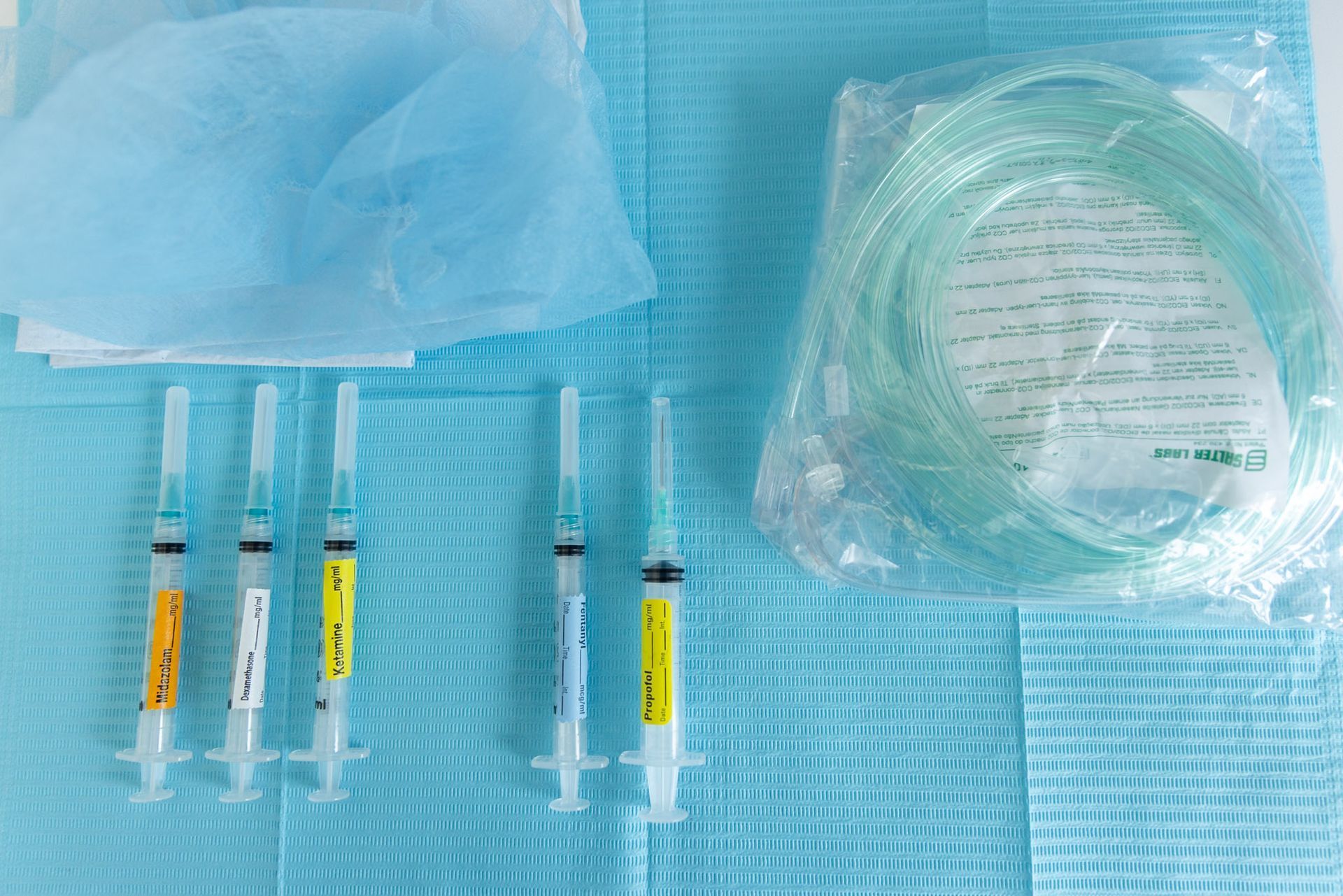
Safety is a system, not a promise. "It's not about what happens when things go right," Dr. Okhiria says. "It's more about what happens when things go wrong." Her team runs emergency drills every quarter and checks equipment and medications on a weekly and monthly schedule. That lines up with the direction of the ADA's updated sedation guidelines, which emphasize emergency preparedness and regular training drills. Before any sedation, you'll review your medical history, medications and allergies at the consult. The ADA's MouthHealthy guidance says the same: your health, allergies and anxiety all shape the right choice. You'll also get written instructions about eating beforehand and having someone drive you home.
Sedation at The Buckhead Oral Surgery Suite
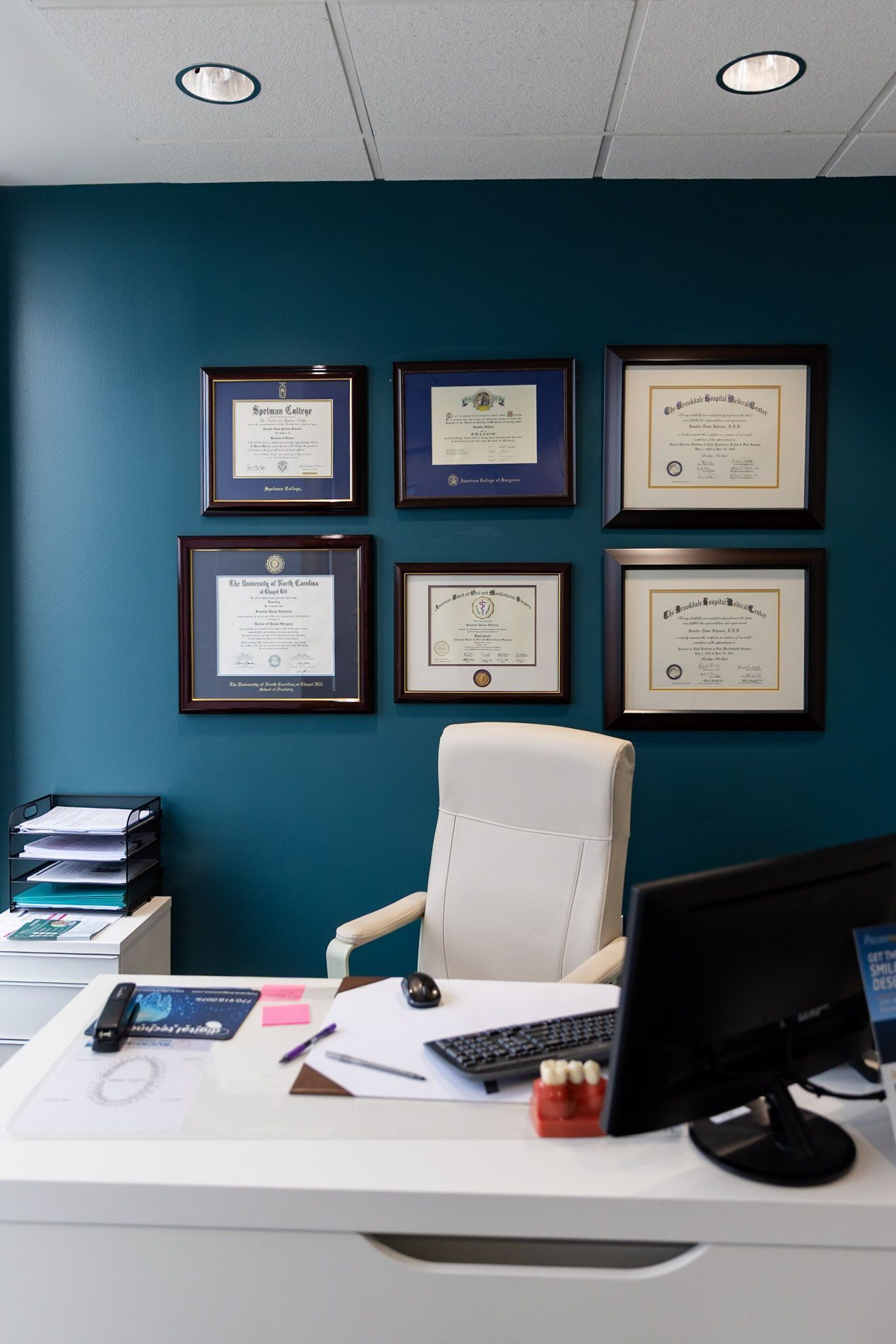
Dr. Okhiria is a board-certified oral and maxillofacial surgeon and a Fellow of the American College of Surgeons, trained in a hospital setting that included general surgery. By her own estimate she has done thousands of sedation cases. "A good preclinical workup and consultation is absolutely vital before we just put anybody to sleep," she says, and every sedation patient has that consult first. You'll choose between local anesthesia, laughing gas, oral sedation and IV sedation based on your health and the procedure, not a default. After surgery, she calls you herself to check in. If sedation is the thing standing between you and treatment you need, a conversation is a good first step.
Common Questions About IV Sedation in Atlanta
These are the questions Atlanta patients ask most often before sedation for oral surgery.
Is IV sedation safe for oral surgery?
For healthy patients who are properly screened, IV sedation is a well-established option given by trained oral surgeons. At The Buckhead Oral Surgery Suite in Atlanta, Dr. Okhiria reviews your health history first, monitors you throughout, and her team drills emergency protocols every quarter. If sedation isn't right for you, she'll recommend another plan.
What's the difference between IV sedation and general anesthesia?
With IV sedation you're deeply relaxed, breathing on your own and can respond if spoken to. General anesthesia puts you fully asleep, usually with a breathing tube, and is typically done in a hospital. For most wisdom teeth and implant procedures in Atlanta, IV sedation is enough, and Dr. Okhiria will explain which fits you.
Will I remember anything with IV sedation?
Most patients remember very little. Many recall the IV being placed and then waking up after the procedure is done. The surgical area is numbed as well, so you won't feel the work itself. Before your surgery day in Atlanta, our team explains what to expect afterward so there are no surprises.
Can I drive myself home after IV sedation?
No. You'll need a responsible adult to drive you home and stay with you for the rest of the day. Sedation medicine takes time to wear off, even when you feel alert. Before your surgery in Atlanta, our team gives you written instructions about eating, medications and arranging your ride so the day goes smoothly.
What if I'm not a candidate for IV sedation?
You still have options. Dr. Okhiria can use local anesthesia with laughing gas or oral sedation, bring in an anesthesiologist, or perform the procedure in a hospital where she has privileges. At The Buckhead Oral Surgery Suite in Atlanta, the plan is built around your health instead of a single approach for everyone.
Starting With a Conversation
You don't have to decide anything before you understand it. At a consult in Buckhead, Dr. Okhiria will review your health, explain each sedation option and tell you which one she'd recommend for your procedure. Call (470) 944-1881 or book a time online. You can read more about IV sedation in Atlanta before you come in.